
The Impact of Local Weather on Construction Projects in Central Valley


Understanding the Central Valley Climate
The Central Valley in California is known for its unique climate, which poses distinct challenges and opportunities for construction projects. The region experiences hot, dry summers and mild, wet winters. These seasonal variations can significantly influence construction timelines and costs.
During summer, temperatures can soar above 100°F, leading to potential heat-related issues for workers and materials. Conversely, winter brings rain that can cause delays and complications in project schedules.

Summer Challenges for Construction
Heat Impact on Workers and Equipment
In the scorching summer months, heat stress can affect construction workers, leading to fatigue, dehydration, and heat-related illnesses. It's essential for project managers to implement safety measures, such as providing shade, ensuring regular breaks, and supplying adequate hydration.
The high temperatures can also affect construction materials. For example, concrete may cure too quickly, affecting its strength and integrity. Protective measures and timing adjustments are necessary to ensure quality outcomes.
Winter Weather Considerations
Rain and Its Effects
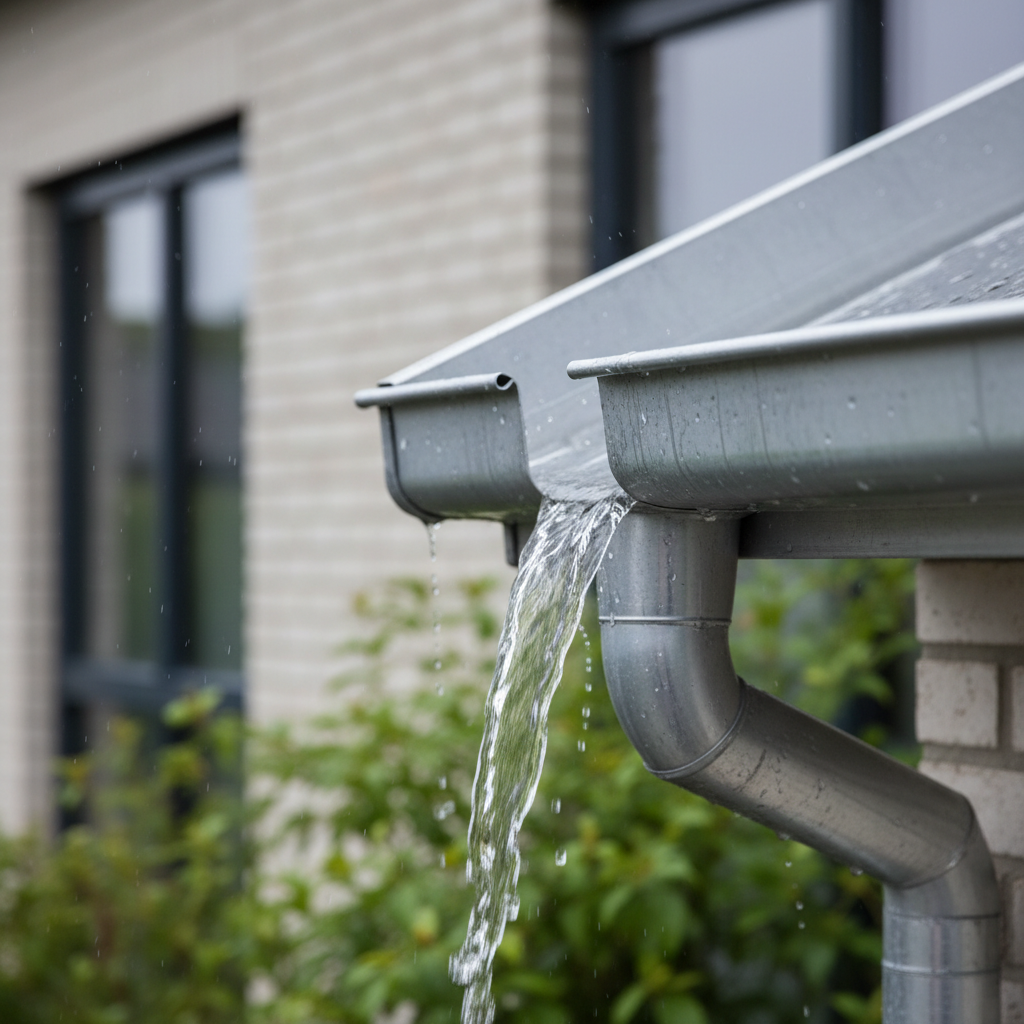
Winter in the Central Valley brings rain, which can lead to muddy sites and waterlogged conditions. These factors can delay projects and complicate the logistics of moving heavy machinery and materials. It's crucial to have proper drainage systems and to plan for potential weather-related interruptions.
Cold Weather Preparations
While winters are mild, temperatures can occasionally drop to freezing levels, affecting certain construction processes. It's important to use materials suited for colder conditions and to plan construction activities around weather forecasts to minimize delays.
Strategic Planning and Adaptation
Successful construction projects in the Central Valley require strategic planning and adaptation to local weather conditions. By understanding seasonal patterns and implementing proactive measures, construction companies can mitigate risks and maintain project timelines.

Utilizing Technology
Technology plays a crucial role in adapting to weather challenges. Weather forecasting tools, project management software, and real-time communication apps help teams stay informed and make data-driven decisions to optimize operations.
Conclusion
The impact of local weather on construction projects in the Central Valley is significant but manageable. By recognizing the challenges posed by the climate and employing strategic planning and technology, construction companies can achieve successful outcomes despite the weather's unpredictability.